73340486_Packshot_Toothbrush_CS3960_Trio_Rosa_lightBlue_Blue

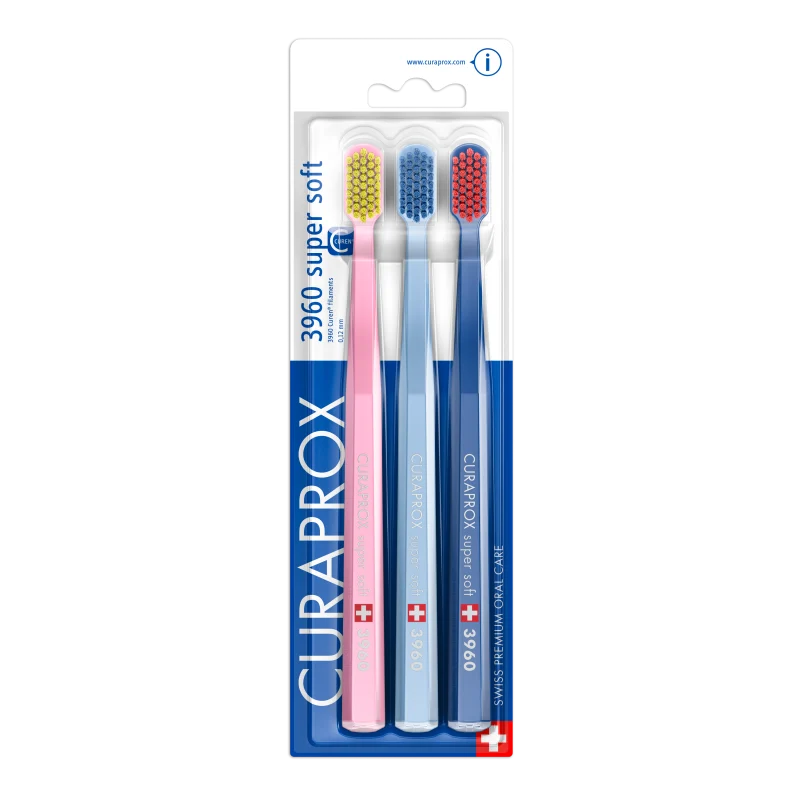
CS 3960 Super Soft Trio

Pink/Light Blue/Blue
CHF 16.00
Sale price  CHF 16.00 Regular price 
Skip to product information
CS 3960 Super Soft Trio

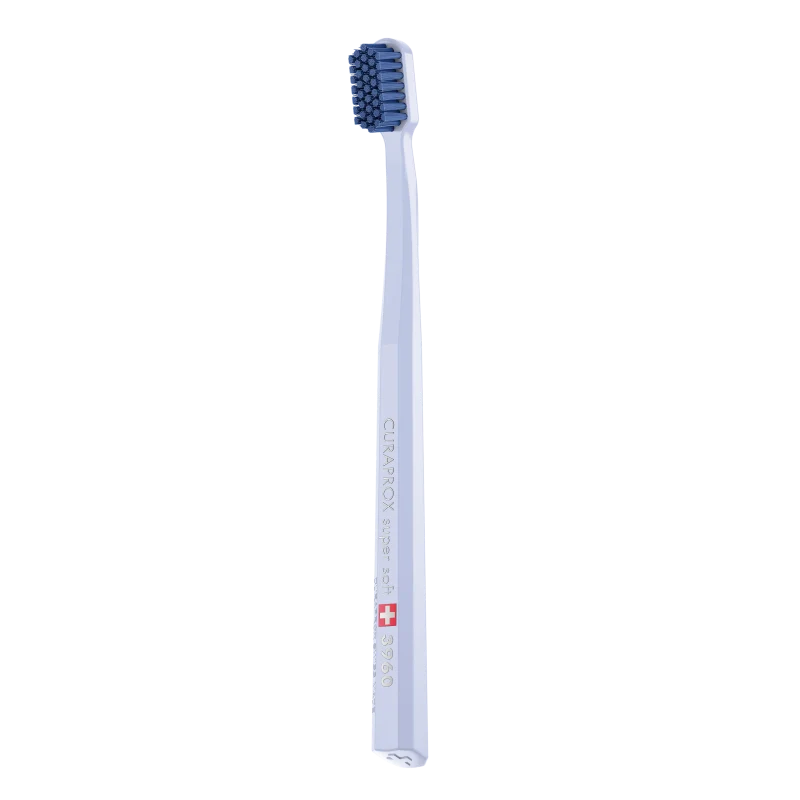
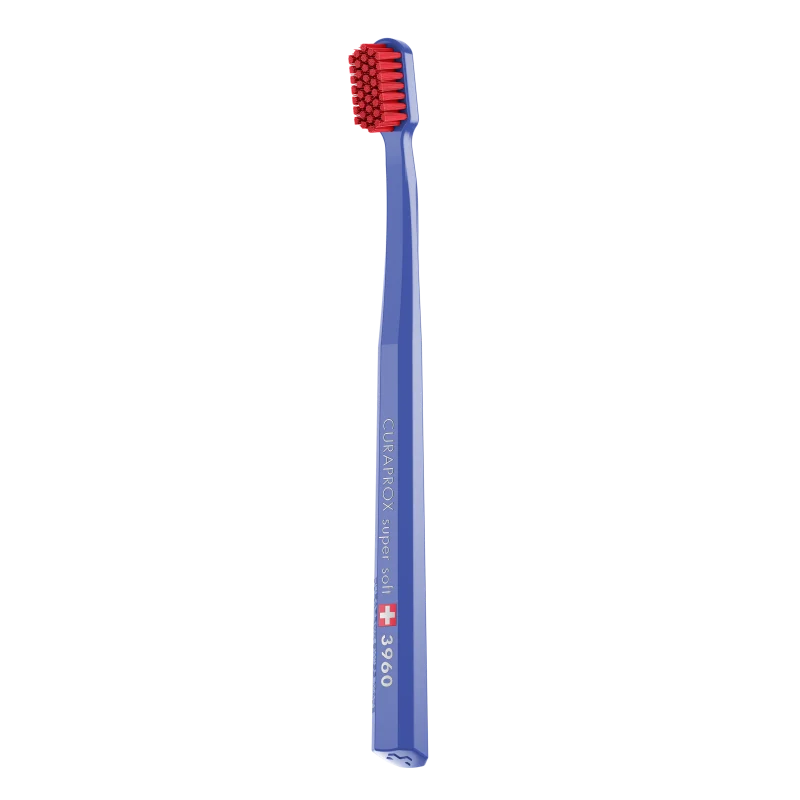
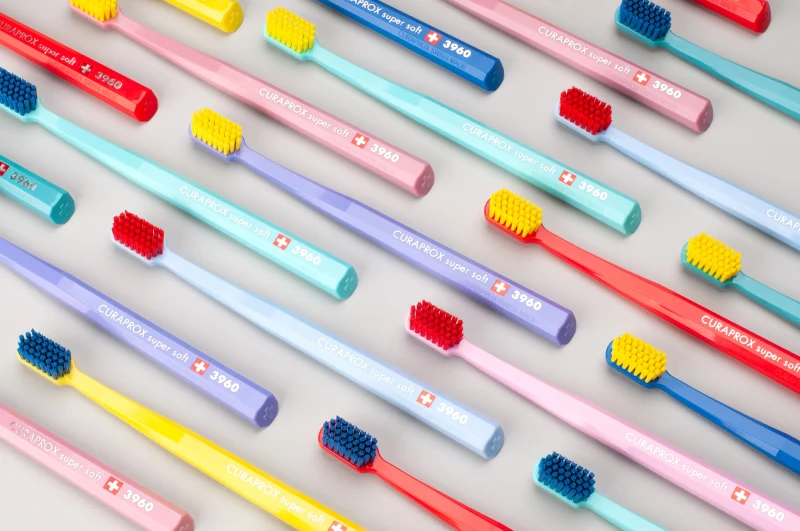
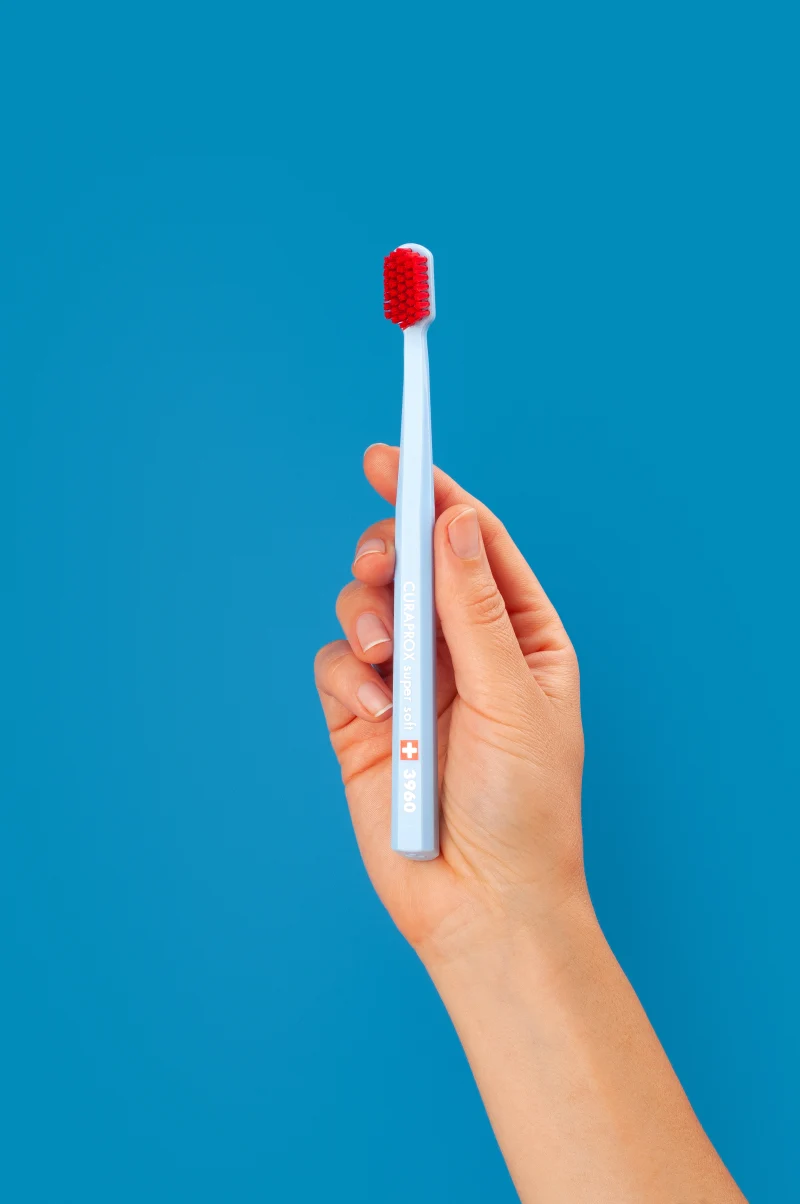
CS 3960 trio pack, Pink, Light blue, Blue

No reviews yet
CHF 16.00
Sale price  CHF 16.00 Regular price 

CS 3960 Super Soft not only prevent brushing damages, but also break up and remove plaque perfectly.

ColorPink/Light Blue/Blue
  • Get it Wednesday 7th October if you order within 46 hours
  • Free delivery on orders above 40 CHF

Description

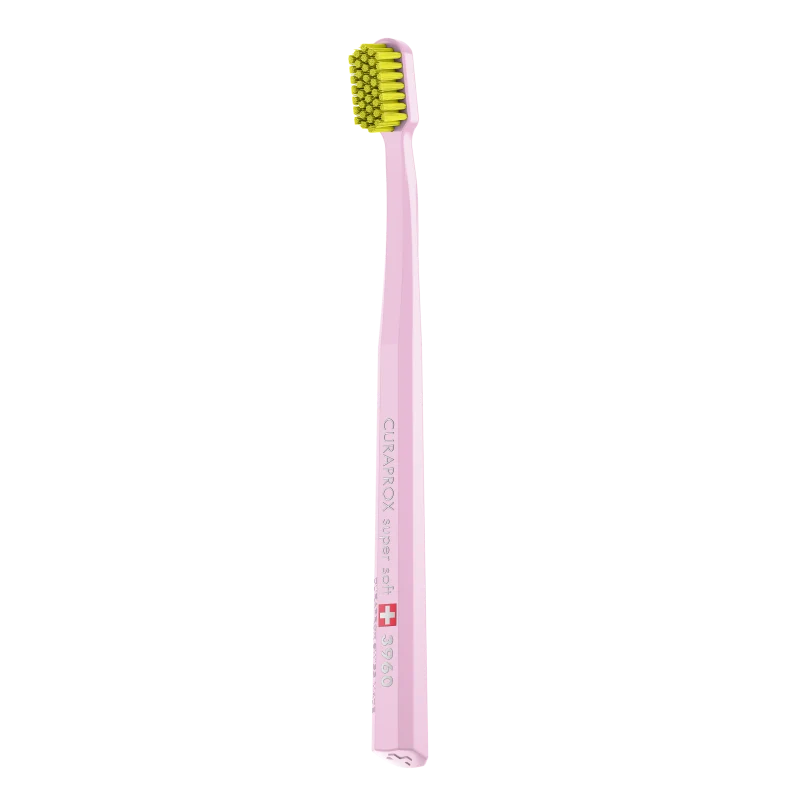
Curaprox toothbrushes prevent damage caused by rough brushing and very effectively and thoroughly remove dental plaque. Curen® filaments are stronger than nylon filaments and retain their shape and strength even when wet.

  • Gentle action thanks to Curen®-filaments

  • Efficient cleaning surface thanks to a dense array of Curen®-filaments

  • There’s no escape: compact head, slightly angled

  • Octagonal handle helps users to brush at the correct angle
     

Our products are made from high-quality materials that meet the chemical and physical safety standards for modern dental products

Specifications
Category
Toothbrush
Colour
Multicolor
Pack type
Multi Pack
Items per sales unit
3.0
Filament hardness
Super Soft
Age group
Adult
Application
Fresh Breath, Daily care
Daily use
Yes
Brush head
Regular
Handle material
Polypropylene
Filament material
Curen®
Toothbrush type
Manual Toothbrush
Number of filaments
3'960

Everything you need to know

Why do soft bristles work?

Soft bristles have the clear advantage that they can individually embrace each tooth and clean it thoroughly. This allows them to reach areas that a hard toothbrush with rigid bristles can neither reach nor clean. In addition, our soft Curen® bristles are rounded at the top, protect the sensitive gums and do not scratch the enamel. With a soft toothbrush, there is no risk of damage or injury when brushing. 

Manual vs. electric toothbrush?

Which toothbrush is better? With the proper handling and technique, both a manual and an electric toothbrush can effectively clean teeth. It is your personal preference, then. With an electric toothbrush less physical effort is required, a good thing—especially for those with limited dexterity, braces, or specific dental conditions as it comes equipped with a motor that provide powerful brushing. Manual toothbrushes on the other hand, are a classic choice, more cost-effective, and environmentally friendly. They come in a variety of shapes, sizes, and bristle types so that they accommodate varied demands.

How often and how long do I need to brush my teeth?

It is recommended to brush your teeth twice a day using a toothbrush with soft bristles and a gentle fluoride toothpaste. Remember to use also interdental brushes once a day—preferable before going to bed—to clean the gaps between your teeth. However, define the frequency and timing of interdental cleaning in accordance with your dental professional, adapted to your oral situation and individual needs. As for the recommended brushing time of at least two minutes each time: it is highly individual and certainly should not be limited to a fixed 2-minute rule. Please keep in mind that what matters most is that every surface of each tooth is thoroughly clean, which can take you longer than two minutes. So, you better focus on quality, not just on time. 

See all questions

Customer reviews

No reviews yet

Be the first to share your experience with this product.

For 100% oral health

Recently viewed

Frequently asked questions

Why do soft bristles work?

Soft bristles have the clear advantage that they can individually embrace each tooth and clean it thoroughly. This allows them to reach areas that a hard toothbrush with rigid bristles can neither reach nor clean. In addition, our soft Curen® bristles are rounded at the top, protect the sensitive gums and do not scratch the enamel. With a soft toothbrush, there is no risk of damage or injury when brushing. 

Manual vs. electric toothbrush?

Which toothbrush is better? With the proper handling and technique, both a manual and an electric toothbrush can effectively clean teeth. It is your personal preference, then. With an electric toothbrush less physical effort is required, a good thing—especially for those with limited dexterity, braces, or specific dental conditions as it comes equipped with a motor that provide powerful brushing. Manual toothbrushes on the other hand, are a classic choice, more cost-effective, and environmentally friendly. They come in a variety of shapes, sizes, and bristle types so that they accommodate varied demands.

How often and how long do I need to brush my teeth?

It is recommended to brush your teeth twice a day using a toothbrush with soft bristles and a gentle fluoride toothpaste. Remember to use also interdental brushes once a day—preferable before going to bed—to clean the gaps between your teeth. However, define the frequency and timing of interdental cleaning in accordance with your dental professional, adapted to your oral situation and individual needs. As for the recommended brushing time of at least two minutes each time: it is highly individual and certainly should not be limited to a fixed 2-minute rule. Please keep in mind that what matters most is that every surface of each tooth is thoroughly clean, which can take you longer than two minutes. So, you better focus on quality, not just on time. 

Can a manual toothbrush clean between teeth?

Our short answer is: no. The surfaces of our teeth can be cleaned relatively easily and thoroughly with a soft, dense manual toothbrush. No matter which manual toothbrush you use, you can only clean 70% of your teeth's surfaces. For the rest—between your teeth— you'll need more specialised tools. That’s why we developed our fantastic interdental brushes with various sizes and colours for gaps with different dimensions. There’s perfect brush for every gap. If you have never used interdentals before, ask your dentist or dental hygienist. You can also get good advice at your local pharmacy.

How often to change manual toothbrush?

Replace your manual toothbrush every three to four months, even sooner if the bristles look worn or frayed. Regular replacing ensures the toothbrush remains effective at removing plaque and prevents the buildup of bacteria. Frayed bristles become less effective at cleaning teeth and removing plaque. Also replace your brush after recovering from a cold or flu, as bacteria can linger on the bristles and accumulate, especially in the moist environment of a bathroom. This may lead to reinfection or other oral health issues.